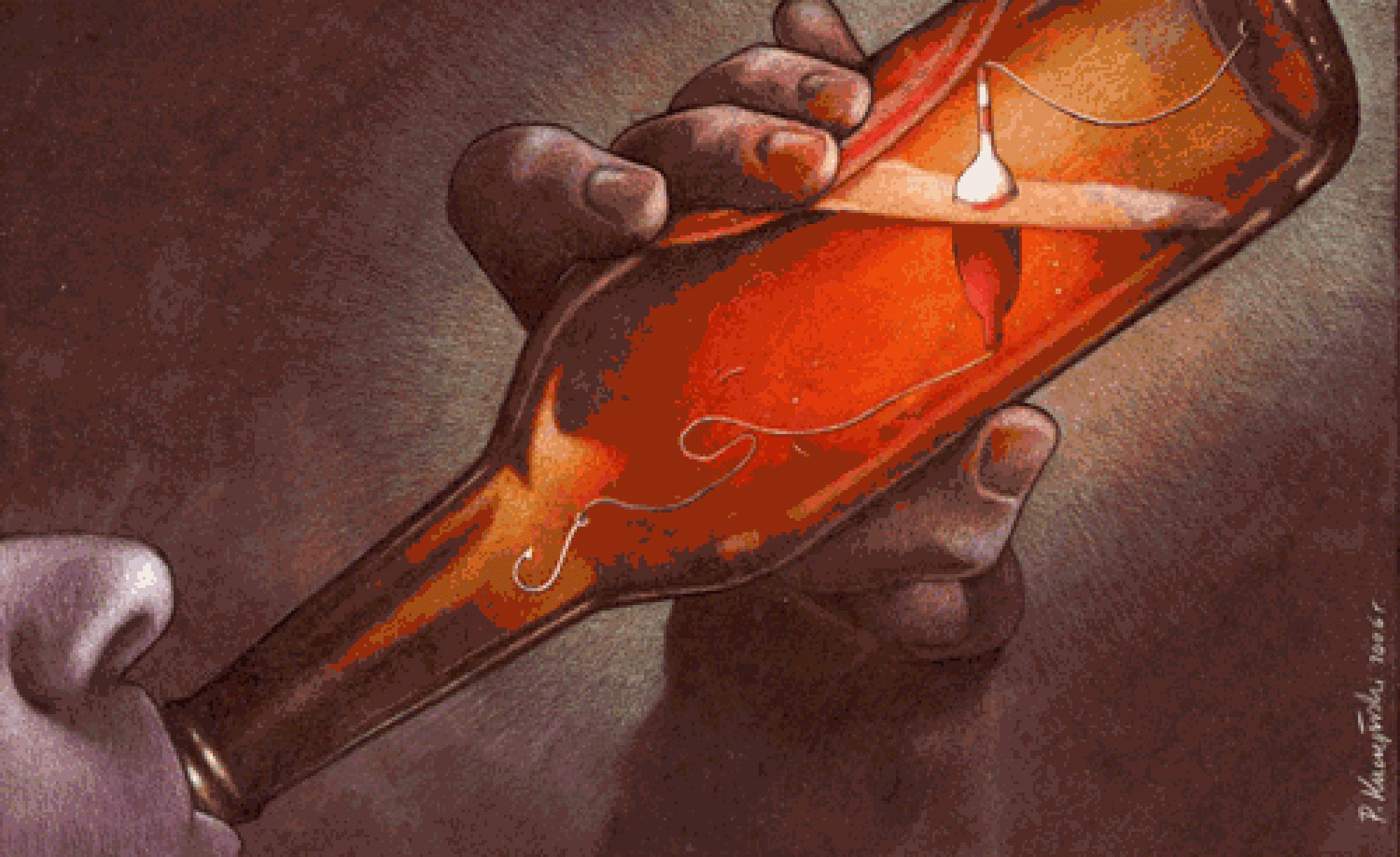
Lately I have been asked a lot of questions on how to prevent relapse. A lot of recoverees in treatment centers talk about treatment as a vicious cycle and it can be! At the State level and Nationally we are pouring billions into treatment. Creating effective, evidenced-based treatment, better access, better service, etc but are we forgetting the most important part? Scientists and medical professionals classify addiction as a chronic disease NOT ACUTE. This means we need to stop viewing treatment as a one-stop fix and view it as part of the continuum of care like we would for other chronic conditions. Treatment is effective but it has never been designed to be the end and it is time we focus on the aftercare. Did you know that 80% of post-treatment relapses occur within 90 days of discharge? This is where we can make a difference! The vast majority of people that relapse during those first 90 days did not follow an aftercare plan. Treatment is great; but I think the most important thing for a successful recovery is to have a viable aftercare plan.
Recovery is a process of change through which individuals improve their health and wellness, live a self-directed life, and strive to reach their full potential. To do that a person needs to home, health, purpose and community. Of course this does not happen overnight; it is something to be strived for in our recovery journeys. However in order to get to long-term recovery I believe three things are essential for early recovery.
First, get a sponsor or mentor. – Having a sponsor (or mentor) is crucial in early recovery as these people have been there and can help with resources in their area. For example, if the recoveree goes to an AA or NA meeting and comes away thinking it sucked, they can tell their sponsor these feelings and they can work out ways to try a different meeting. Often times people have a bad experience at a support group meeting and think they all will be like this and quit going. The 12 steps not your thing? get a Peer Recovery Specialist (Recovery Coach). They can help you navigate early recovery regardless of what path you want to take.
Second, have a support group meeting schedule and meeting plan – Plan AND ATTEND several meetings a week. If they feel a meeting is awful, find a different one. DO this until they have a routine of weekly meetings that they enjoy. Go early and stay late (MAYBE THE MOST IMPORTANT PART). Often times people think it’s the AA meetings that keep people sober, but it is actually the fellowships (friendships) that develop from going to these meetings. And this happens when they finds others that they relate to at meetings (spiritual connection) and then go to coffee with them after, or gets a pizza or just hangs out with them. When your friends are people in recovery, recovery is no longer an effort, but it is your life.
Third, have a healthy hobby or activity scheduled daily/weekly – Find a healthy hobby or activity!!! This is way to often forgotten. We alcoholics and addicts often have to stop doing what we used to do for fun because that is when/where we used drugs and alcohol. Then when we enter recovery for some reason we think we can exist without filling that giant void of having purpose in life… This emptiness (which is often what started us on drugs and alcohol) is very dangerous and often times is the reason people return to use. Support meetings (A.A., N.A.) often can fill that emptiness for people, but some still find themselves bored or without purpose and they start to think recovery is boring, and soon they are looking for unhealthy things to fill that void… Find a healthy activity right away and try new things, exercise, yoga, walking, fishing, biking, running, painting, etc..
Finally, the good news is that RELAPSE IS NOT PART OF LONG-TERM RECOVERY… We need to distinguish that early recovery is part of the stages of change which can include periodic relapses. However, when a recoveree advances through the stages of change and into long-term recovery, relapse is not part of their recovery. As long as we practice our program of recovery in our daily affairs relapse does not exist.
 We Do Recover
2 Replies to “Relapse Prevention”