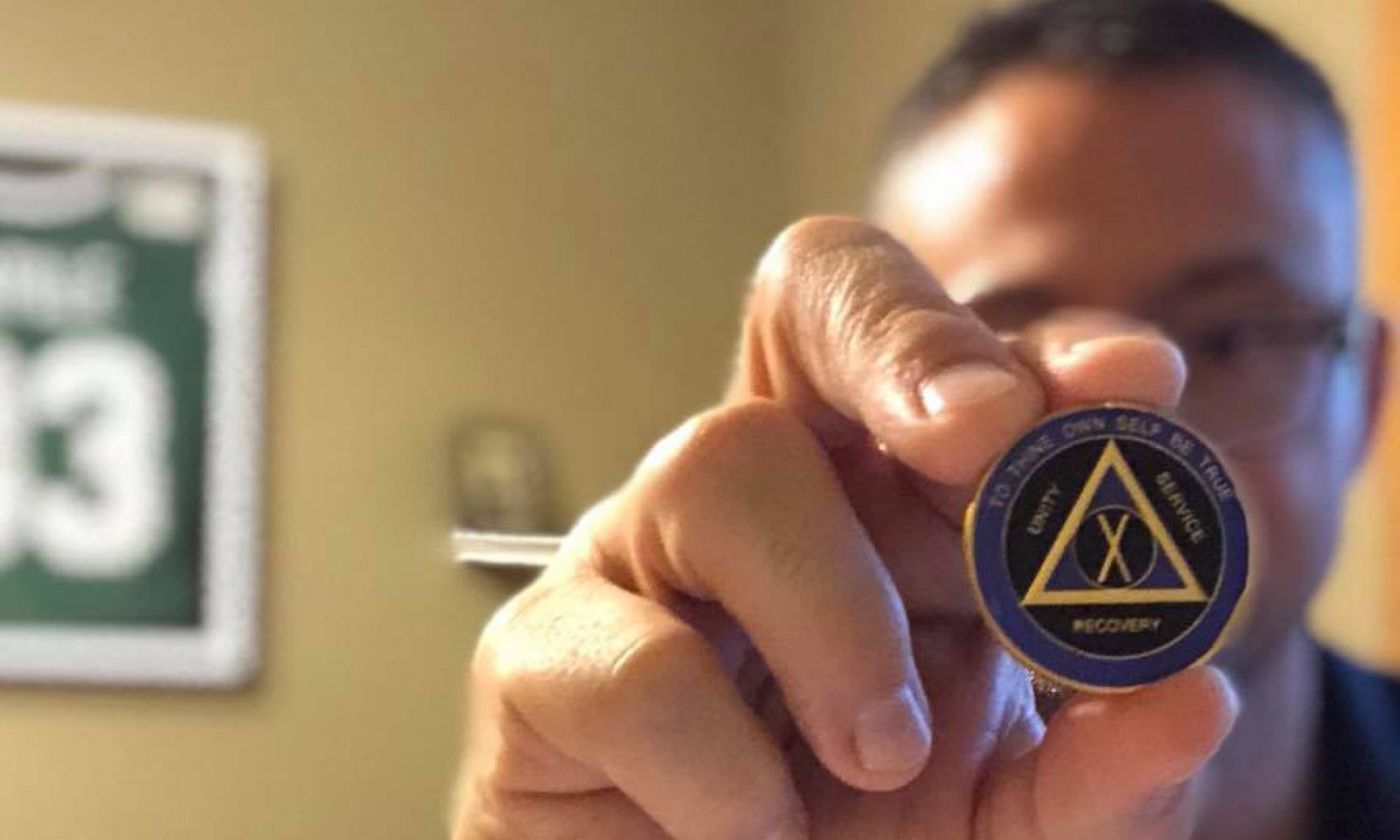
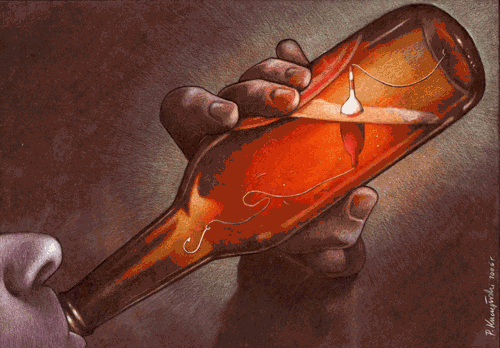
Do you ever wonder why some people become addicted to substances and others don’t? Is it truly a disease? Is it genetic? Is it reprehensible? Is it preventable? Addiction is defined as a disease by the American Medical Association. Addiction, clinically referred to as a substance use disorder, is a complex disease of the brain and body that involves compulsive use of one or more substances despite serious health and social consequences. Addiction disrupts regions of the brain that are responsible for reward, motivation, learning, judgment and memory[1]. Genetic risk factors account for about half of the likelihood that an individual will develop addiction[2]. Prevention is a little more complex. Addiction is caused by a combination of behavioral, psychological, environmental, biological factors as well as genetics. However, there are many prevention interventions that can have a great result in lowering the rates of addiction. For instance, according to the NIAAA those that have their first drink at the ages of 12-14 are 4 times more likely to develop alcohol dependence and 67% higher chance of using illegal drugs[3]. So preventing adolescents from access to alcohol during this age would greatly reduce the chance for addiction in the future.
Addiction doesn’t happen with one use. It has stages. It starts with experimentation. This is when the person has their first drink of alcohol. It all starts with the first use. Addiction has a lot of stigma associated with it. Most people in our society view it as character weakness or moral flaw as if we alcoholics and addicts planned for addiction. The especially troubling part of this is the growing acceptance that experimentation and adolescent use is normal and there is nothing we can do about it. Part of the previous sentence is true; experimentation is a normal part of life for many and for some of those it is the start of a deadly disease. As was discussed previously the age of the onset of first use is highly indicative of future problems. For me, my first taste of alcohol was at age FIVE! Granted it was only a sip of a beer but it was a sip that was given by permission from my father. Before anyone wonders what kind of man my father was please remember this was the 70’s; my father would drink Pabst Blue Ribbon (I even remember the brand) at horseshoe tournaments. It was a small tournament in an isolated northern Minnesota community where everyone knew everyone. When he needed a beer he would have me or my brother go in and buy him a beer. The bartender knew it was for our father so he gave it to us and we delivered. As a “reward” we got to have the first drink! I remember the excitement of this. I am not sure if it was the anticipation of the drink or being rewarded for doing something for Dad, but nevertheless I still remember as I’m writing this how it felt to get my reward. What effect does this have on a five year old’s brain? Not just the development and neurochemistry but what was I being taught? Alcohol is acceptable? It’s ok to drink for adults and even for little kids on occasion and it is a reward? Around this time my father quit drinking and never resumed during his life. However, my quest for alcohol didn’t cease in fact it became a quest. At large family gatherings adults would put their beer in a large outdoor washtub with ice to keep them cold. My cousins and I would sneak beer from this tub and run off somewhere private to share the beverage. There was no intoxication but the thrills I received associated with beer only intensified. In the sixth grade my experimentation finally included intoxication. My friend’s birthday party was held at his home where there was large quantities of alcohol. The alcohol was not given to us, but it was not locked up either (or really supervised for that matter). We would go to the beer fridge (which also had the pop) and pretend to get a pop and really grab a couple of beers. We would place them in our crotch between our legs and slowly and carefully walk to his bedroom to deposit our loot in a secure hiding place and return to the basement to make another withdrawal. We did this several times until we had enough for consumption. That night we drank our warm Blatz beers and had our first buzz. I was hooked immediately. It was as if a light bulb went off above my head alerting me to my new found euphoria. I didn’t feel lonely, empty, anxious or timid anymore. I felt great! I wanted to feel this intoxication for the rest of my life!
Is experimenting with alcohol reprehensible? Was I immoral for trying alcohol? Hardly! Remember, addiction is caused by a combination of behavioral, psychological, environmental, biological factors as well as genetics… I was hanging out with good kids with great parents. But we were kids that were inspired by older kids in our community that drank. And the community itself was somewhat accepting of kids drinking. People felt it was just a little beer; a rite of passage… Alcohol was available (to steal) and we did… Those social and environmental factors paved the way for my first drink…
I also struggled with anxiety. I felt empty inside and I was always worried. Worried about acceptance, about friendships, family, etc.. Of course at the age I didn’t know I had anxiety, my parents didn’t know but it raged from with and that first numbing buzz of alcohol soothed the anxiety and I took notice. Those with untreated anxiety disorders that drink alcohol are three times more likely to develop alcohol dependence compared to those without anxiety disorders[4].
My genetics then did the rest… Although many people have those same social and environmental factors they may not have had the same pleasure and euphoria that I did due to their genetics…My genetic wiring produces massive euphoria and pleasure from alcohol and or drugs… Some people may wake up after drinking really sick, vomit, get in trouble or maybe it didn’t have desirable effects from their first use and say never again! Others like me would say that wasn’t so bad, and the high was AMAZING…. In addition, it quieted my worrisome mind and alleviated the anxiety. That is how genetics is involved in addiction… However, just because a person is born with those genetics addiction can still be prevented if we delay the onset of that first experience…. It was my choice to drink that first drink. The drink that started everything. After that first drink I was ready to continue to the next stage; Regular Use/Social Use. (Blog coming soon).
Prevention Tips:
As mentioned earlier, experimentation will happen, but if we can delay the onset of first use we can greatly lower the addiction rates. If you noticed in my experience ALL of the alcohol use was provided by an adult. At first, willingly, then through theft, but it was still accessible. What would have happened if I wasn’t introduced alcohol at such a young age and alcohol was not available? I am not blaming my parents or my friend’s parents for my addiction. My parents THOUGHT they were keeping me safe from drugs and alcohol because they NEVER had alcohol in our home. However, my best friend’s dad always had alcohol and my friend and I were nearly inseparable. Again, I am not blaming his father; he probably never thought we would steal his alcohol or maybe he thought he would notice if it was missing… Therefore, even if you have an alcohol free house or secure your alcohol do you know what is accessible to your kids at their friend’s house? Talk to their parents. Together we can delay the onset of first use and greatly reduce the addiction rates. I am living proof that recovery works but as we know; unfortunately not everyone gets a chance to recovery. Some die or are permanently incarcerated due to their addiction. For them their only chance was to not use in the first place. Prevention works!
Please subscribe to my blog for updates and to read the second of four parts in this blog on the stages of addiction.
[1] Partnership to End Addiction https://drugfree.org/article/is-addiction-a-disease/
[2] Partnership to End Addiction https://drugfree.org/article/is-addiction-a-disease/
[3] https://www.niaaa.nih.gov/news-events/news-releases/age-drinking-onset-predicts-future-alcohol-abuse-and-dependence
[4] Smith JP, Randall CL. Anxiety and alcohol use disorders: Comorbidity and treatment considerations. Alcohol Res. 2012;34(4):414-431.

 We Do Recover