Lost.

I was as lost as I could be with no idea how I got where I was. This is not how my life was supposed to go. I had overcome so much, accomplished many things and yet I was here on the floor of my apartment, hallucinating after a night of alcohol and drug use… Where did I go wrong? When did it start?

I had my first drink and drunk at the age of 11. For me alcohol was an immediate love. I didn’t know it at the time but I was empty inside and alcohol filled that void. This was not my parents fault. Perhaps I was born with a genetic predisposition to alcohol and mental illness but I came from two of the greatest parents possible. I had a great childhood. My parents were very active in my life and I genuinely enjoyed being with them. They provided me with stable, secure and a happy household. We went on vacations, went camping, and had great family get-togethers. They bought us nice school clothes, nice gifts for birthdays and Christmas. I was blessed with an upbringing many kids only dream of… Then I met alcohol. Soon after my first drink I was drinking alcohol at least weekly with friends and the stages of addiction were in full gear. At first it was just a few beers, stolen from my best friend’s dad’s fridge. Then we increased the amount we drank and the frequency. We then found a “buyer” to purchase our own beer so that we could drink more without getting caught. By the time I was a sophomore I was no longer “socially drinking” I was abusing alcohol and experiencing frequent blackouts and well on my way to being chemically dependent. During my junior year my drinking climbed to embarrassing and dangerous levels with blackouts happening nearly every weekend while my tolerance was similar to a 40 year-old alcoholic. That memorial weekend in 1990 my life changed in a way that I would never recover from. My father, a firefighter collapsed and died while fighting a fire. I cannot even begin to say how devastated I was. My father meant everything to me. He was adamantly against ANY underage drinking and was unaware of my use and never knew I wouldn’t always have him in my life. I had always taken for granted that they would always be there. To say he was a pillar in our community is an understatement. He was a volunteer firefighter, a youth football, basketball and baseball coach, Cub Scout cub master, and active with many other organizations. The population of Deer River in 1990 was 907. There were over 1,000 at his funeral. I was in such deep mourning I didn’t drink for almost 6 months. However, when I returned to drinking I did so to make up for lost time. I drank every night and all weekend and had more than one ride in the back of a police car…

It is safe to say that school was not easy for me and alcohol made it harder. I was the one who always got the lowest grades, was least likely to succeed and was often the butt of many jokes by teachers and classmates in my high school. I once overheard a teacher telling a classmate of mine at a senior class meeting that someday they will come back to town and I would be pumping their gas. I believed them. I can’t blame them. I didn’t give them any reason to think otherwise. Nearing high school graduation I fully believed my classmates and teachers and didn’t have much hope for my life. Plus, I had learned that my dad had an unknown genetic heart defect and it was very likely genetic. So I quite honestly didn’t think I would live that long anyways. However, one day I decided that I was going to go to a local community college and prove everyone wrong. In college I fought two uphill battles at the same time. Being under-educated and unprepared for college and being drunk 90% of the time. College was NOT easy for me. Since I drank alcohol and neglected school throughout my junior and senior high years I was substantially behind the majority of college students. After my first year of college I had more tragedy in my life; my life long best friend and drinking buddy died. The night it happened we had a great evening of drinking planned. I had to work while Brad and Barry were going to get our alcohol for the evening. They had started drinking and were headed to town when Brad lost control of his car and went in the ditch. This would not have been a bad collision. However, Brad was not wearing his seat belt. He was thrown from his car and it landed on him. He died shortly later while being airlifted to a trauma center.
I was devastated. He and I were supposed to grow old together. We had a whole life already planned out. This also happened two years after my dad’s passing which reopened that grief. My life had changed again. I now lived scared. I went most of my young life living carefree. Now within those two years, two of the most important people in my life were removed from me.

Unlike my dad’s passing, after Brad died I drank more; substantially more. My grades in college plummeted and I was nearly kicked out permanently due to bad grades. I was at a cross roads… Then I got a DUI one evening with BAC of .37. When I woke up the next morning in detox I realized I could be dead and would be if I didn’t stop. This incident scared me straight (for a while). After I stopped drinking college became much easier. Graduation actually seemed plausible! I also met the woman I would marry and have my daughter with. We got married the summer before my senior year. We got pregnant soon after and were expecting our baby the next summer. During my senior year I was doing my student teaching when I noticed some strange palpitations in my heart. Due to my family history I went to the doctor. After many tests I learned that I had a genetic heart condition; the same heart defect that killed my father. There was some urgency, I was quickly admitted to the Mayo Clinic in Rochester. The day I was supposed to receive my Bachelor’s degree from Mankato State I was on a hospital bed having surgery on my heart. I had a defibrillator implanted in my chest to help prevent the sudden cardiac death that killed my father. I was grateful for this but scared to death.

However, I did it! I received a Bachelor’s Degree! I did what most said couldn’t be done. I attained a 4 year degree in education. As hard as it was, as much as much as alcohol tried to kill me, I persevered; I accomplished a huge milestone… Then like it does so often alcohol came calling again…

After graduating college, getting married, having a daughter, buying a house and starting a career my life crumbled. It didn’t happen right away, my career was flourishing, I was a respected member of my community, served on boards and committees, coached youth sports was active with my daughter and her school. This is what I expected my life to look like; but then my marriage fell apart and I found myself going through the process of divorce. This was devastating. Not so much because of my separation from my wife (our life had become toxic) but the separation from my daughter. My daughter was my life and being away from her was the most painful thing I went through. I felt like I couldn’t breathe, was always in a state of anxiety, so I went back to what I always did when I felt empty; alcohol. A mixture of alcohol and prescription drugs (both opioids and benzodiazepines) consumed my life. I wasn’t feeling hurt, because I couldn’t feel. I was in a state of constant blackouts.

This is where I found myself on the floor of my apartment after another night of alcohol and drug use. I was trying to kill myself. I didn’t want to die, but I could not stand the pain any longer. Death seemed like it would be easier than sobriety. As many addicts and alcoholics know, in active addiction sobriety can seem utterly impossible. I couldn’t see the light at the end of the tunnel, because instead of light I could only see my daughter living elsewhere. I felt empty, alone and destroyed. I lost my place in this world and felt I could not find my way home.

Then I heard it. “DARREN, this is not who you are supposed to be” This was my dad’s voice. I am as sure of it today as I was then. I have never had an encounter with a spirit previously and have not since, but I know this was his voice. I don’t know how, I am not a paranormal guy or have any concrete beliefs about the supernatural, but this happened. The interesting part is (other than conscious memories) this was the first time I heard my dad’s voice since he died. Every dream I have had with my dad since he passed away he has been silent. It’s like my brain knew he was gone.

I cried. Not from shame and not for sadness. It was a cry of surrender and acceptance of where I was and the spontaneous courage to face my demons. As low as I was, I felt serenity. The wisdom of what I need to do to change my life was there. It was there all along. I just didn’t know how to find it.

This is why the song The House That Built Me by Miranda Lambert is special to me. She sings “I thought if I could touch this place or feel it, this brokenness inside me might start healing…” For me instead of a place it was a voice. The healing did not happen overnight but it started that day on the floor.

I had already been to treatment, I had learned the 12 steps I just wasn’t ready to surrender and say I cannot do this alone. Through my program of recovery I finally started to learn gratitude. In the past I never felt grateful, I always felt like a victim. I did have a lot of adversity and tragedy, but I also failed to look at the beauty in my life… I leaned how lucky I am. Many, many alcoholics and addicts don’t get a second chance. None of us are guaranteed a second chance, let alone three or four chances. I could very easily be dead or permanently incarcerated due to my use. I started to look at life with gratitude and today I am very grateful; grateful for my life, health, sobriety, and my family.

Most of my life I ignored my mental and chemical health, and even after getting help, I got complacent and neglected my therapy. This could have been fatal, but luckily I got help. I am incredibly thankful for this second chance in life. It has given me a renewed energy to share my experiences, strength and hope. I know I still have a lifelong journey in recovery but I am happy where I am in my recovery. I also know from my past that I cannot get complacent in my ways. But if I practice everything I have learned from the recovery community I will be fine. For me, recovery is a process of change where I constantly try to improve my health and wellness, live a self-directed life, and strive to reach my full potential. It’s more than just meetings and/or abstaining; it’s living a life to its fullest. I am happy where I am in life and incredibly grateful for my program of recovery.

View Miranda Lambert’s The House That Built Me video here
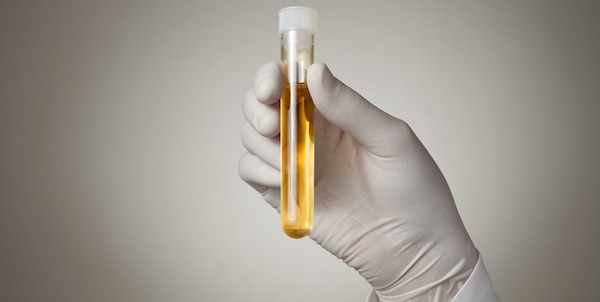
Why we shouldn’t drug test welfare recipients

There are many reason why drug testing welfare recipients is a bad idea. It’s unconstitutional for one reason and it will affect the children of these families. However I want to discuss (to me) the most important reasons we should not allow this; Stigma and fairness.

Do you or anyone you know attend a public school or university?  Receive tax credits or exemptions?  Drive, walk, or bike on a road or highway?  Have you ever called the police for a fender bender or burglary?  We all receive taxpayer-funded public benefits – there’s almost no way to avoid them.  Why should you and I get special treatment, as recipients of public benefits, such as low interest home loans or student loans, while others should be subject to mandatory drug screening? It’s interesting to note that none of the drug testing bills would apply to legislators, whose entire salaries are paid by the taxpayers. How often do we hear about legislator drug or alcohol abuse and wild parties? The assumption that people with low-incomes are more likely than other segments of the population to be drug-users is not only factually incorrect, it’s an unfair and mean-spirited stereotype that has no place in our public policy decisions. It also fuels the negative stigma the alcoholics and addicts are unemployed and unqualified.


Another compelling reason we shouldn’t drug-test welfare recipients is that substance abuse is a disease. While not all people who use drugs are addicts, studies show that welfare recipients with substance abuse problems have a high incidence of mental and social disorders and turn to drugs and alcohol to cope with their symptoms. Mandatory drug testing of welfare recipients is opposed

I am definitely in support of holding people accountable. However, let’s hold everyone accountable, not just the easy targets. If we allow society to do this we are essentially strengthening the negative stigmas attached to addiction and reducing the likelihood of seeking help while receiving benefits. I can definitely agree that some type of reform may be needed, I don’t know what that is, but I know this is not the answer. Those struggling with untreated or untreated mental illness and/or substance abuse are in enough pain already.

For more information on ending the stigma, please visit my website

www.beyondthetunnelvision.org

Mental Health Access Nightmares

Patience is not one of my virtues.

That is when I’m healthy. When I am not mentally healthy, patience might as well be a word that does not exist. I am a 42 year old man. I have depression and anxiety. It was being managed quite efficiently until a life event happened and my depression intensified. I needed help, I needed to address my mental health…

If you are a man, you know that we as men are not supposed to ask for help (its an unwritten rule)… We don’t ask for help for anything… We could be lost, bleeding, hungry or confused but we won’t ask for help… This is a stigma I have been trying to defeat my whole career, but I know it still exists. It is not just men though; many people are afraid to ask for help or too proud to ask for help but what scares me the most is when they do ask for help they don’t get it or the effort of getting help is too much.

Remember patience is not a virtue I possess and when my depression is controlling my mind I lose the ability to be motivated, to be patient, to be persistent. Instead, when encountering resistance or  set backs I want to put it off, do it later (never) or just quit. This is common among those of us with mental illness. Its not that we don’t want help; its that getting help is too much work for us in our mental state…

I am treated with a low dose of an antidepressant; I have been for years. It has been going so well that this summer I was in the process of tapering off completely and was at the lowest dose that was still therapeutic. However, this summer I moved to a new community which is when my family problems began. My whole world was rocked. Shortly after this unfortunate life situation I recognized the symptoms of depression creeping back into my life; irritability, difficulty enjoying things I once enjoyed, sleep problems, difficulty concentrating etc.. I knew the family situation was out of my control so I made an appointment with a psychotherapist. We scheduled weekly  appointments at first and they were very helpful. Then, I went to bi-monthly appointments and although they were still helpful I noticed the symptoms of depression (especially the irritability) getting worse. So since I was new to my community my therapist gave me the number to a psychiatrist in my new community to do a medication review.

I live in Lakeville but work in Owatonna. Initially I called the psychiatrist recommended by my therapist on a Monday. I got their voicemail… I left a detailed message according to their instructions. By Friday I had not received a call back so I called again; and again got their voicemail, so I left another message. On the next Monday I was feeling rather frustrated and a coworker suggested I call a local psychiatrist since I was not getting a response from the one in my hometown. I decided I would give the first psychiatrist the rest of that day to respond… Well, I didn’t hear back so I called a local clinic. Guess what? I got their voicemail as well… So I left another message and despondently hung up the phone to continue the wait… This is the part of my care and ACCESS TO CARE that scares me… I wanted to give up. Remember, my mind isn’t working efficiently. I don’t have the mental capacity to manage these situations. The patience that others have and that I normally have is nonexistent at this point… What I do have is excessive irritability… Waiting creates extreme irritability… This creates an atmosphere conducive to quitting.

Lucky for me, at this point I am still healthy enough to KNOW I need to keep trying for my health. I have been working in mental health and substance abuse for 15 years; I know better (at the moment) but if left untreated eventually I may not have the ability to think about my health. This is where the problem is. Many people end up with tunnel vision. They are no longer thinking rationally but cannot recognize this. How many others don’t have the background I do? This is where a lot of people would quit.

It didn’t get any easier.

After a second call and second voicemail at the clinic in Owatonna I finally received a call back from that clinic. She was very nice and started the intake process. However, there was a problem. They are contracted with a 3 county area and can only provide psychiatric services to RESIDENTS of those counties… I am not a resident in those counties. I work there but live in a County North of their service counties. She apologized and kindly referred me to the other facility in town that has a psychiatrist. I called there after hanging up the phone. While waiting, the first clinic (in my home town) called (perfect timing), I had to let it go to my voicemail… When the representative at the second clinic answered the phone and got my request she informed me that unfortunately they don’t currently have a psychiatrist and could put me on a list for a call back when they hire one…

This is the second time I wanted to quit and just see if it would get better on its own… However, I called the original clinic back and got to speak to someone. She got all of my information and then told me she would have to call me back after she spoke with the psychiatrist to see if she would accept me. Ok, I am assuming she meant to see if the Doctor had openings, however, what my depressed and anxiety filled mind heard was “we’ll decide if you are worthy of our time”…

Can I quit yet?

They called back the next day and told me I was approved to be seen by the doctor and her next available appointment was 6 weeks away. I thanked her and scheduled it.

By the time the December appointment arrives it will have been almost 9 weeks since my first call. This is very wrong. We need to do better. This was just a SCHEDULING problem. There are many that have problems on top of the logistics; the wrong insurance, can’t drive, cannot get out of work… I don’t have the answer on how we fix these problems but I do have a few suggestions for those reading this:

  1. If they are in a suicidal crisis STAY WITH THEM, get them to an E.R. or call the National Suicide Hotline 1-800-SUICIDE (784-2433). If you are not sure; ASK them if they are suicidal.
  2. Remember, Depression is a serious condition. Don’t underestimate the seriousness of depression. When left untreated depression can be fatal. Depression drains a person’s energy, optimism, and motivation. They cannot just “snap out of it”.
  3. Depression can cause tunnel vision. They may have a difficult time seeing the positives in life; they only see misery.
  4. You didn’t cause it and you can’t “fix” someone else’s depression. Ultimately, recovery is in the hands of the depressed person. BUT you can help…
  5. Be willing to help. Make the appointments, drive them, follow up, etc… However, remember there is a big difference between Help and Nagging. If you “nag” someone they will likely not ask for help again and will just hide their symptoms rather than get help. Keep in mind they may struggle and may not be cooperative. Be patient but persistent.

Depression is treatable and recovery is possible. Don’t give up on yourself or your loved ones. Be vigilant in your efforts to get help.

Lets Make Our Own Noise

When you hear people talking about legalizing recreational marijuana or medicinal marijuana what do you hear? Most of the time it is probably support for legalization. According to a Pew Research Center survey 53% of Americans favor the legal use of marijuana, while 44% are opposed. That is not very substantial. However, if you are reading about legalizing marijuana on the internet, print media, social media you may think that 80% – 90% support legalization. There is a reason for that; it’s called change of perception.

According to the same survey, supporters of legalizing the use of marijuana are far more likely than opponents to say they have changed their mind on this issue. Among the public overall, 30% say they support legalizing marijuana use and have always felt that way, while 21% have changed their minds; they say there was a time when they thought it should be illegal. By contrast, just 7% have changed their minds from supporting to opposing legalization. So if people perceive that “everyone” supports it, they may be more likely to support it. Forget about rationale. Marijuana proponents don’t do rational they do media campaigns aimed to deflect the truth, to normalize and create the perception that it is already accepted by the populace.

The most frequently cited reasons for supporting the legalization of marijuana are its medicinal benefits (41%) and the belief that marijuana is no worse than other drugs (36%) –with many explicitly mentioning that they think it is no more dangerous than alcohol or cigarettes. First, the average medicinal marijuana user is a 32 year old white males with no prior history of chronic pain. This is factual information based on people who have medicinal marijuana ID cards. Amazingly, there second highest reason for support is it is no more dangerous than alcohol and or cigarettes… Are you serious? Alcohol and cigarettes are two of the worst substances in the country! Why are we legalizing things based on not being worse than alcohol or cigarettes?

I don’t believe the hype… I don’t believe the majority of the population is in favor of legalized marijuana. That is why we need to voice our opinions. I believe the reason the numbers are in favor of legalization is because a lot of people don’t voice their opposition to marijuana. Many assume others will, that legalized marijuana won’t happen here or their voice doesn’t matter… Proponents of marijuana are recruiting as we speak to get more promoters, more people to fuel the perception that America wants legalized marijuana. They have incentives. There is big business behind marijuana legalization. Many very wealthy investors have invested heavily into marijuana; they are not going to sit by and hope it becomes legal. They are paving the road to their financial reward by legalization. They will buy it; they will fund political candidates that support it. Another incentive is for the average user. They will promote it as if their life depends on it because currently their marijuana use could land them in jail.

Please, let’s stop listening to people addicted to marijuana and investors attempting to capitalize on the addiction of future American’s. Let’s start making our own noise.

Talk with your children about Alcohol

Some parents say that because alcohol is legal, it’s hard for them to think of it as being dangerous. Other parents say they find it difficult to talk about alcohol because they drink. Yet, alcohol is the drug most often used by young people and the consequences of its use can be harmful to your child in many ways.

It’s never too early to start talking with your child about drinking. Some children start asking questions when they’re four or five years old. Many parents make the mistake of waiting until their child has begun drinking but if you listen and respond to your child sensitively, you may be able to help prevent problems from developing later. Many people feel that prevention is impossible; kids will experiment… However, WE CAN DELAY the onset of first use! Studies show that those who drink alcohol at age 14 or younger are 4 – 7 times more likely to develop dependence later on. In a recent (CASA) study of people with a substance abuse disorder 28% indicated their first use was at age 14 or younger; conversely, only 4% of those with a substance abuse disorder said they had their first drink at the age of 21 or older.

No matter what the age of your children, they are more likely to talk with you about problems – about alcohol or other drug use as well as other important issues – if they feel you really listen. Sometimes, just listening to your child shows more concern than trying to give too much advice, being critical or treating your child’s problems too lightly. Try to remember that your own drinking behavior heavily influences how well your child will observe the household rules you establish. It’s OK to drink in front of your child, but be aware that your child will observe how and when you drink. Do you use alcohol to reduce tension or to celebrate? Do you drive, boat or swim after drinking? Monitoring the quantity and frequency of your drinking as well as being sure that you don’t drink and then engage in potentially dangerous activities all set good examples for your child.

Get to know your child’s friends. Your child may be opposed to drinking and drug use but are their friends? Some of them may think that drinking isn’t a problem and their parents may not have the information you do. They may allow their children to drink and may allow parties in their homes where children have access to alcohol. A recent focus group study revealed that over half the youth surveyed reported that their source for alcohol originated from their home or that of a friend’s home. If your child has been invited to a party at the home of a friend you don’t know, call the friend’s parents ahead of time to be sure that adults will be present. Ask their attitudes about alcohol before you make a decision about allowing your child to attend the party.

In spite of your best efforts, your child will see and hear many “mixed messages” about drinking through advertising, television programs and movies. Estimates are that children will see over 75,000 drinking scenes before they turn 18 but they probably still won’t know much about alcoholic beverages or the serious health problems that they can cause.

Suggestions to prevent early alcohol use:

  • Talk to your children regularly. Commercials for beer and alcohol look very appealing. They may leave the impression that young, attractive adults enjoy themselves ONLY when drinking. Super Bowl Sunday is very near, and often times the most talked about commercials are alcohol related. Talk with your children about the realities of those commercials.
  • Explaining alcoholism without trying to “scare them straight”– Addiction affects one in every ten Americans. That is a reality. It does not mean that anyone that has a drink will become an alcoholic but the earlier the onset of drug and or alcohol use the greater the risk of future problems. Addiction is a disease and that an alcoholic or addict is a person who cannot stop using drugs or alcohol once they start, no matter how much it hurts them or the people around them.
  • Teens realize that their actions have consequences. Talk about possible consequences with them, recognizing that certain consequences will differ for sons and daughters. Discuss how drinking can interfere with getting good grades in school; Can negatively affect athletic performance; Can make teens more vulnerable to unplanned sexual activity, unintended pregnancy and sexually transmitted diseases; Can cause accidents when driving, bicycling, swimming and can increase violent behavior.
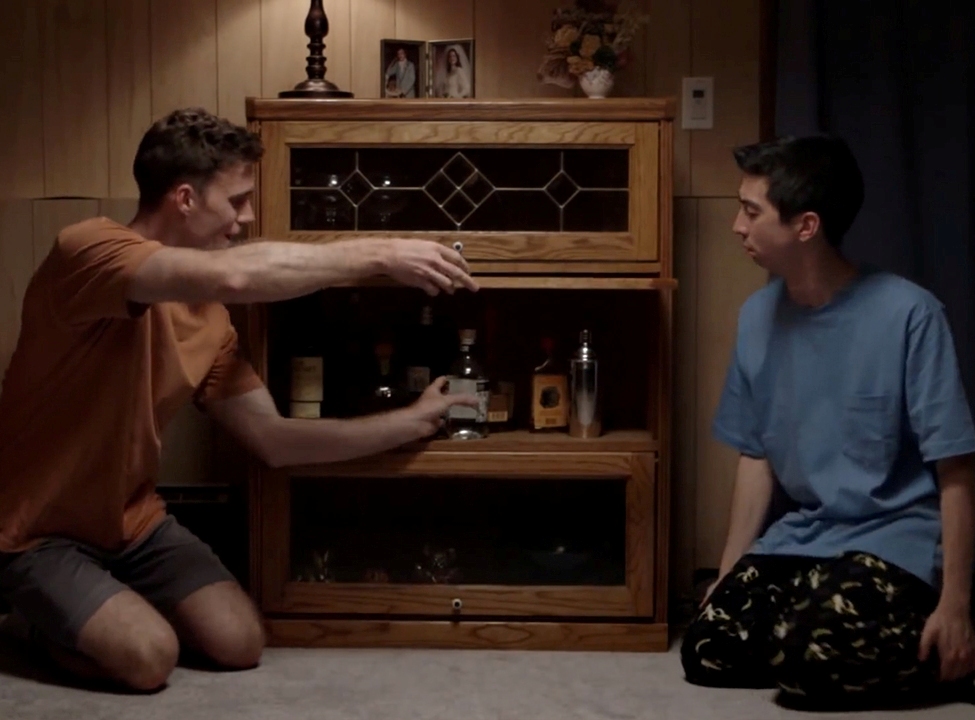
  • Lock up and/or inventory alcohol. According to focus group results, students indicate the most realistic prevention efforts involve parent engagement (not having alcohol in home – or locking alcohol up)
  • Don’t allow alcohol parties – supervise youth at parties and sleepovers.

As parents we can make a difference! For more information on substance abuse education, prevention and Recovery, please visit my website

www.beyondthetunnelvision.org

Suicide is not a sin; it is result of an illness

I recently read an article titled “Is SUICIDE an unforgivable sin?” linked to a Facebook post by Reasons For Hope http://www.rforh.com/blog/is-suicide-an-unforgivable-sin/. I think this may be the WORST article I have read yet about Christianity and suicide. The article begins with this: “Let me begin by saying, I don’t believe that most churches teach a person goes straight to hell if they commit suicide (although there are some churches that teach or imply that). In fact, this is not something that is often addressed in most churches, and yet with the increasing rate of suicide it needs to be addressed” Kudos for at least acknowledging that suicide needs to be addressed… During the article the term committed suicide is used over and over again…

I tried contacting the author to educate her but was not successful. First, please, please stop saying COMMIT suicide. Say “died by suicide” or “died unexpectedly” or just plain “died”… When we use the words commit it implies criminality, shame, guilt, etc… That not a good way to pay our respect and it also sends a negative message to those who may still be struggling. If a person who has suicidal ideations hears that negative connotation it sends another message to them reminding them how “bad” they are… How shameful. Adding shame or making someone feel like a bad person isn’t inviting anyone to ask for help…

Ok, that covers the language piece… Now for the worst part of the article. The other states “Sadly, many Christians experience dark seasons of the soul and fail to find the comfort they need in Jesus. And tragically, some have taken their own life. This is why it is important to spend time in prayer and in reading the Bible, so, when a storm threatens to overtake us, we are prepared to find comfort and strength in Jesus and His Word. The Bible will give us the answers we need to deal with all problems in life, and in prayer our faith will grow stronger and we can find peace and comfort. These practices will build a foundation to stand upon in our darkest days.With all that said, we must acknowledge that there have been prepared believers who have lost their “footings” and have fallen and have taken their own lives. So is suicide a sin? Yes, it is. Suicide is the taking of human life.” Why don’t they mention that this is an ILLNESS? The Christ I know and worship will not punish for having a debilitating illness. He doesn’t punish those that die from cancer, diabetes or heart failure… Why would he punish for dying as a result of untreated or under-treated mental illness? This sickens me. As a Christian who works everyday of my life to shed light on substance abuse and mental health issues I take offense to peoples blatant disregard for other peoples wellness. I appreciate the power of prayer, but I also appreciate the severity of untreated mental illness… Is this author really stating that people that die from diabetes die because they didn’t pray hard enough? There is NO DIFFERENCE BETWEEN DIABETES AND MENTAL ILLNESS. Diabetes is the result of a chemical imbalance in the body; too much insulin or not enough. Mental illness is the result of a chemical imbalance in the brain. Lets stop treating mental illness and addiction as a choice.